
Tabla de Contenidos
- Understanding Automated Leather Cutting for Automotive Interiors
- How Automating Leather Cutting for Small Factories Works
- Selecting the Right Automotive Leather Cutting Machine
- Leather Hide Nesting Software and Pattern Optimization
- Leather Defect Detection and Cutting Precision
- Calculating ROI and Total Cost of Ownership
- Implementation and Workflow Integration
- Common Mistakes to Avoid When Implementing Automated Cutting
- Preguntas Frecuentes
Last Updated: October 12, 2026
Understanding Automated Leather Cutting for Automotive Interiors
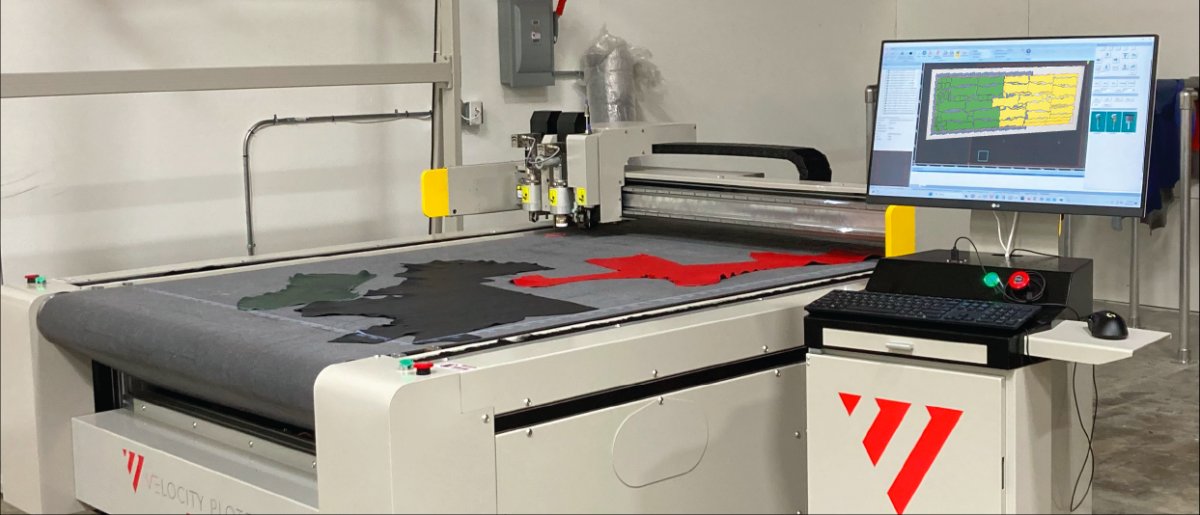
Automated leather cutting solutions for interiores de automóviles use CNC technology and intelligent software to cut complex patterns from natural hides with repeatable accuracy, replacing manual die-cutting and hand-guided tools.
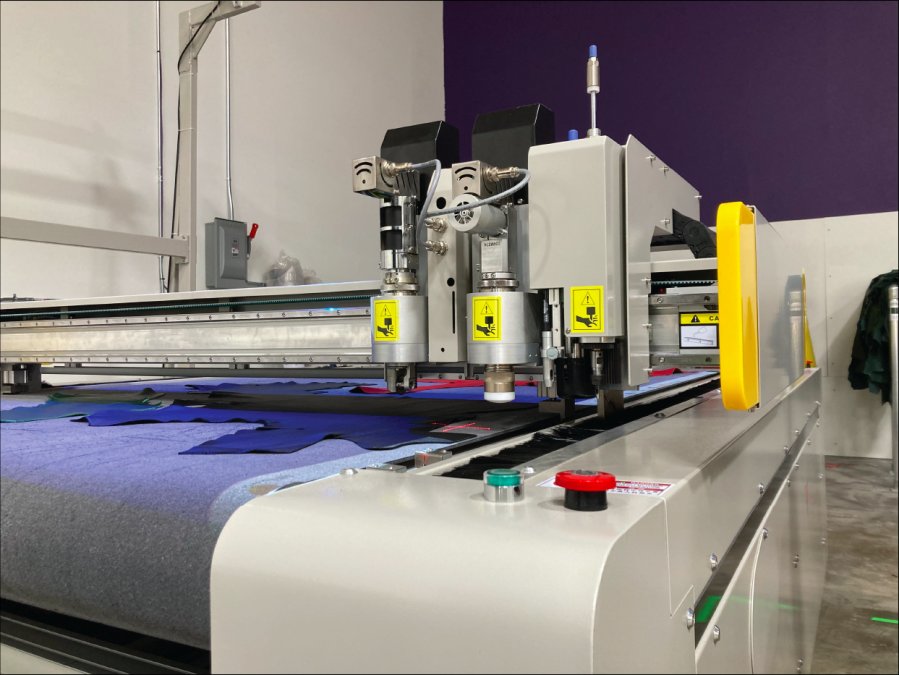
Leather is expensive, inconsistent, and unforgiving, so a single wasted hide can cost hundreds of dollars.
The technology combines three capabilities: hide scanning detects defects and irregular edges; nesting algorithms position pieces to avoid flaws and maximize yield; and the cutting system executes patterns with micron-level precision every time.
How Automating Leather Cutting for Small Factories Works
Many production managers assume automated cutting only suits large operations with dedicated cutting rooms and high daily volumes. In fact, smaller facilities with 10-20 people in the cutting department often see the fastest payback because their waste rates are highest and their labor costs per unit are most sensitive to inefficiency.
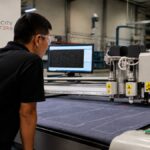
The workflow is straightforward. Hides are placed on the cutting table, where the system scans each one, identifies defects, and flags areas to avoid. Cutting patterns, typically CAD files from design or pattern-making teams, are loaded by the operator or software.
Hide Scanning and Defect Recognition
Hide scanning is where automated systems earn their value for leather. Natural hides have scars, color variations, thin spots, and irregular edges. Manual cutters develop intuition for working around these issues but make mistakes, especially on high-volume or repetitive work. Automated scanning doesn’t get tired.
Cameras or laser sensors capture the hide’s outline and identify defects, mapping them onto a digital representation flagged as unusable, marginal, or premium. This defect map feeds the nesting algorithm, which avoids placing critical pattern pieces over flagged zones, resulting in fewer ruined components downstream.
Automatic Nesting and Material Use
Nesting software drives material savings. Given pattern pieces and a scanned hide with defects marked, the algorithm arranges them to maximize usable components while respecting defect boundaries and grain direction.
Manual nesting relies on operator experience and is limited by time pressure, with an experienced cutter achieving 75-80% yield on a good day. Automated nesting algorithms, working with complete defect data and no time pressure, routinely achieve 85-92% on the same hides. That 5-12% improvement translates directly to material savings, and on automotive leather costing $40-80 per hide, it compounds across hundreds of hides per month.
Selecting the Right Automotive Leather Cutting Machine
Choosing an automated leather cutting system means matching machine capabilities to your production profile. Oversizing or undersizing your investment wastes money or creates bottlenecks.
Define your production requirements first: hides processed per day, material types (leather only, or also canvas, technical textiles, composites), single-layer versus stacked cutting, and pattern complexity and change frequency. These answers narrow your options significantly.
Production Volume and Flexibility Requirements
High-volume operations cutting the same patterns repeatedly benefit from speed-optimized systems built for throughput. Low-volume or job-shop operations that change patterns frequently benefit from flexibility and quick setup, loading a new design and cutting within minutes rather than hours.
Most automotive interior suppliers sit in the middle: moderate to high volume with seasonal variation and design changes tied to model years or customer launches.
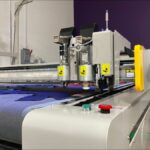
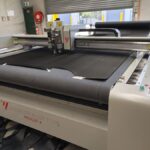
Velocity Plotters systems are designed for this middle ground, with hardware supporting rapid pattern loading and automatic nesting recalculation.
Material Compatibility and Multi-Layer Capability
Leather is the primary material, but automotive interior suppliers often work with vinyl, canvas, technical textiles for backing, and sometimes composites. Some systems cut leather beautifully but struggle with synthetics or layered materials, or require different blade configurations and speeds per material.
Ideally, your system focuses on leather but adapts to secondary materials without major reconfiguration. Multi-layer capability is valuable too: stacking and cutting two or three layers simultaneously reduces handling time and improves consistency.
|
Capability |
Single-Layer Focus |
Multi-Material |
Multi-Layer |
Best For |
|---|---|---|---|---|
|
Cutting speed |
Fastest |
Moderate |
Slower |
High-volume leather only |
|
Setup flexibility |
Lower |
Higher |
Higher |
Job-shop or mixed materials |
|
Precision consistency |
Excellent |
Good |
Good |
Automotive seat covers |
|
Cost |
Lower |
Moderate |
Higher |
Budget-conscious operations |
Leather Hide Nesting Software and Pattern Optimization
The software is where automated leather cutting becomes intelligent. Hardware is precise and fast, but nesting software determines whether you achieve 75% or 92% yield, the difference between profitability and waste.
Nesting software for leather must handle variables generic cutting software ignores. Hides are not rectangular; they have irregular edges, scars, thin spots, and color variations. The software must map these defects, distinguish critical from flexible pattern pieces, and arrange them to maximize yield while respecting grain direction and color matching for visible components.
Automatic Nesting Algorithms and Yield Improvement
A good nesting algorithm works in seconds, evaluating thousands of arrangements to select the one maximizing usable components. The best also learn, tracking which arrangements suit specific hide shapes and defect patterns and refining strategy over time.
The yield improvement from smart nesting is measurable and immediate. Facilities switching from manual to automated nesting can see significant improvement in material yield, from better use of available material and fewer rejected components due to cutting errors or defect collisions.
Integration with CAD and Design Systems
Nesting software must accept pattern files from your design system. Most automotive interior suppliers use CAD software, so your nesting and cutting system needs to integrate seamlessly with whatever platform you use.
Velocity Plotters integrates with major CAD platforms and supports standard file formats (DXF, AAMA, etc.). Patterns move from design to cutting with no manual intervention, reducing errors and setup time.
Leather Defect Detection and Cutting Precision
Leather quality varies: some hides are nearly flawless, while others have multiple scars, thin spots, or color issues. Manual cutters work around these problems, but consistency suffers under time pressure. Automated defect detection removes that variability.
Real-Time Quality Control During Cutting
The best systems scan each hide before cutting and flag defect zones, and the nesting algorithm avoids placing critical components over them. Real-time quality control goes further by monitoring the cut itself: if the blade hits an unexpected defect or the hide shifts, sensors halt the cut and alert the operator, who can reposition or reject the hide before wasting time on a flawed cut.
This real-time feedback prevents the most costly mistakes: discovering after cutting and sewing that a component was cut from a defective area and is unsuitable for the final product.
Achieving Consistency Across Production Runs
Consistency is the hallmark of automated systems: the same pattern cut from different hides on different days produces identical results. For automotive interiors, where components must fit precise specifications, this is non-negotiable.
Manual cutting introduces variability because each operator uses slightly different technique, pressure, and speed. Automated systems eliminate that: the blade moves at the same speed, applies the same force, and follows the same path every time, compounding into dramatically lower scrap rates and fewer assembly-line issues over thousands of cuts.
Calculating ROI and Total Cost of Ownership
ROI for automated leather cutting depends on your waste rate, labor costs, material costs, and production volume. Most automotive interior suppliers can see payback within 18-36 months; high-volume operations often recover the investment faster.
Material Waste Reduction and Labor Efficiency Gains
Material savings are the most direct ROI driver. Losing 12% of leather to waste versus 4% with automation recovers 8% of material cost.
Labor efficiency gains compound the benefit. Automated cutting needs less manual intervention than hand-guided or die-cutting systems, so one operator can manage multiple tables or oversee longer runs. Over time, that means fewer people in the cutting room or staff freed for higher-value tasks like quality inspection or design support.
Production Speed and Lead Time Impact
Faster cutting also improves cash flow and responsiveness. If your cutting room is the production bottleneck, automation accelerates throughput so you can cut more components per day, reduce lead times, or accept higher volumes without adding headcount.
For automotive suppliers with just-in-time delivery requirements, shorter lead times are a competitive advantage, letting you respond faster to design changes or urgent orders from OEMs managing complex assembly schedules.
Implementation and Workflow Integration
Buying the system is one decision. Integrating it into your workflow is another. The best systems are designed for straightforward integration, but success depends on planning and team buy-in.
Training and Team Adoption
Your cutting team needs training on the new system. Most operators learn the basics in a day or two, but it requires patience, and some may worry about job security.
Address concerns directly. Emphasize that automation eliminates the hardest, most repetitive work. Operators transition from hand-cutting (physically demanding, repetitive, error-prone) to system management (monitoring, quality checking, problem-solving). Most teams find the new role less physically taxing and more interesting.
System Maintenance and Support Requirements
Automated systems require regular maintenance. Blades dull and need replacement. Sensors need calibration. Software needs updates. Budget for this upfront. Most vendors offer maintenance packages that cover routine service and spare parts.
Support quality matters. If your system goes down during production, you need responsive technical support. Verify that your vendor offers local support or rapid remote assistance. For Velocity Plotters customers, we provide world-class technical support.
Common Mistakes to Avoid When Implementing Automated Cutting
Most implementation problems are preventable with planning. Watch for these pitfalls.
Underestimating training time. Teams transitioning from manual processes need more training than you think.
Ignoring data preparation. CAD files and pattern data must be clean and accurate. Validate and organize your pattern library before go-live.
Skipping pilot runs. Don’t cut your entire production volume on day one.
Neglecting maintenance discipline. Automated systems are reliable but need consistent maintenance.
Oversizing or undersizing. Match your system to actual volume and complexity, not aspirational volume.
Automated leather cutting eliminates waste, improves consistency, and accelerates production, but only if implemented thoughtfully.
Preguntas Frecuentes
How does automated leather cutting work for automotive interiors?
Automated leather cutting systems use CNC technology combined with digital scanning to detect hide shape, defects, and grain direction. The system automatically nests pattern pieces to maximize material utilization, then cuts with precision using a knife blade or laser. Software integrates with CAD files to guide the cutting path, eliminating manual layout and reducing human error. The process handles natural variations in leather hides, automatically adjusting for defects and optimizing yield on each hide.
Can automated leather cutting machines handle natural variations and defects in leather hides?
Yes. Modern automated leather cutting solutions include defect detection technology that scans each hide before cutting. The system identifies scars, holes, and color variations, then automatically adjusts nesting patterns to work around these defects. This intelligent approach maximizes usable material from each hide, reducing waste that would occur with manual cutting or rigid pre-programmed patterns. Quality control happens in real time during the cutting process.
What is the ROI timeline for implementing automated leather cutting?
ROI depends on current waste levels, production volume, and labor costs. Operations losing 12% or more to waste can typically see payback within 18-36 months through material savings alone. Additional gains come from reduced labor hours, faster production cycles, and improved consistency that reduces rework. A detailed cost analysis should account for your specific material costs, current labor allocation, production volume, and machine utilization rates. Contact Velocity Plotters for a customized ROI calculation based on your operation.
Is automated leather cutting suitable for small factories?
Yes. Modern systems are designed to scale from small operations (15-20 cutting room staff) to large facilities. Entry-level automated leather cutting machines handle lower production volumes while still delivering precision and waste reduction. Smaller factories benefit from reduced manual labor, faster turnaround on custom orders, and the ability to handle multiple material types without changing dies. Training and support are typically tailored to operation size, making adoption manageable for smaller teams.
 ES
ES  EN_US
EN_US