Velocity Plotters & Cutters

software easyplot

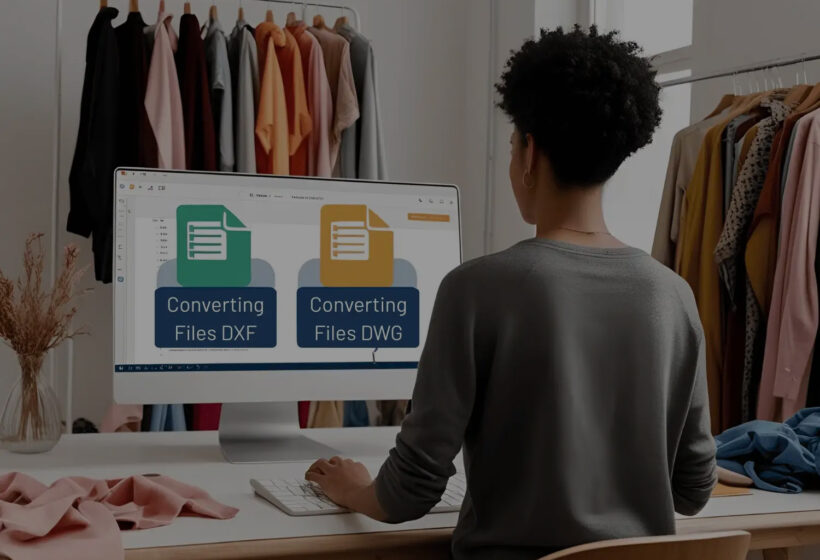
How to Print PDF, DXF & DWG Patterns Full Size with EasyPlot + Velocity Plotters

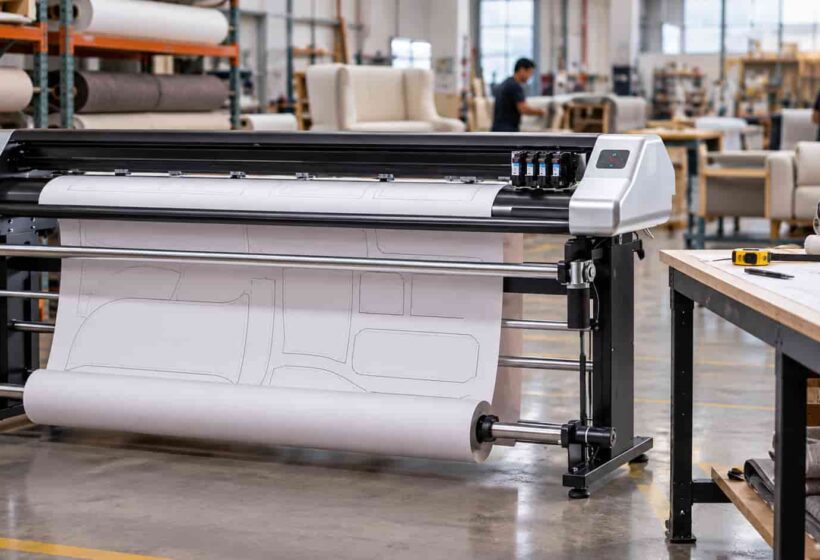
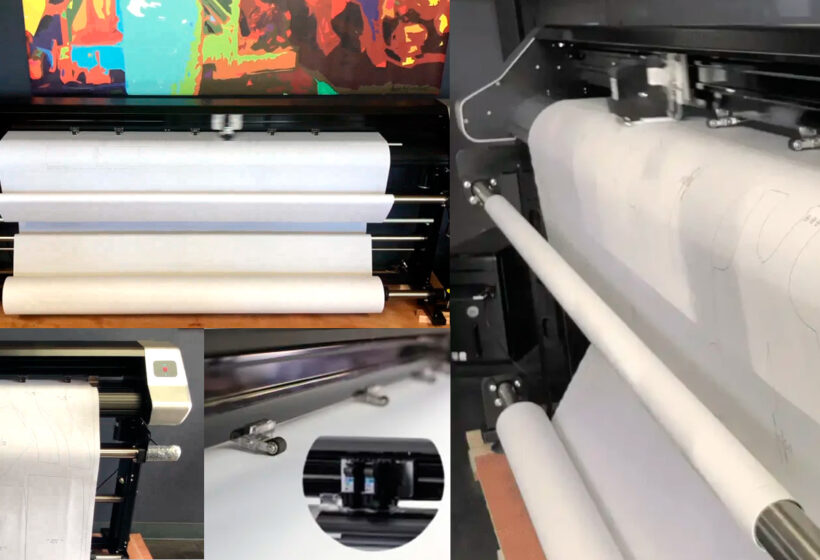
Do you receive PDF, DXF, or DWG pattern files and need to print them full size? With EasyPlot + Velocity Plotters, compatible PDF, DXF, and DWG files can be converted into PLT or HPGL files ready for wide-format plotting. Eliminate the hassle of printing dozens of 8.5″ × 11″ sheets and taping them together. Convert your digital files and send them directly to a Velocity Plotter up to 49″, 66″, or 72″ wide to print full-size patterns and production markers.

Technologies Powering the Modern Apparel

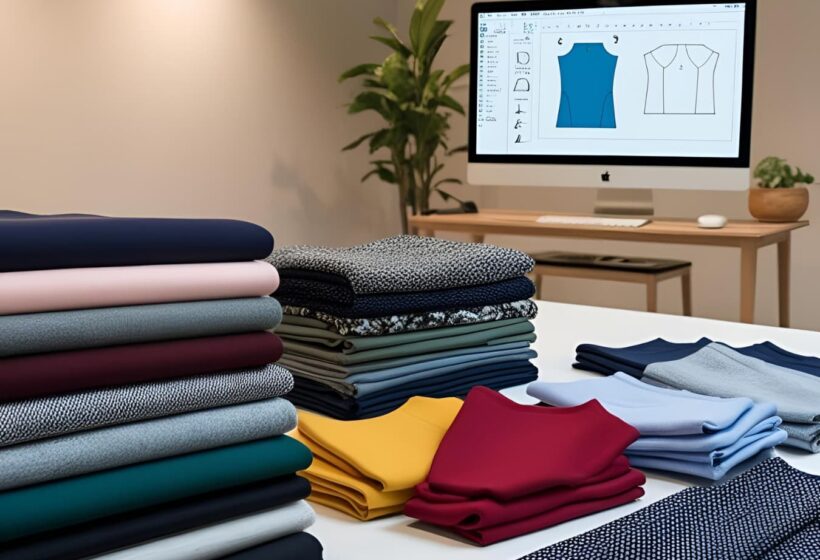
VetiGraph CAD Software for Nesting and Marker Making: Complete 2026 Guide

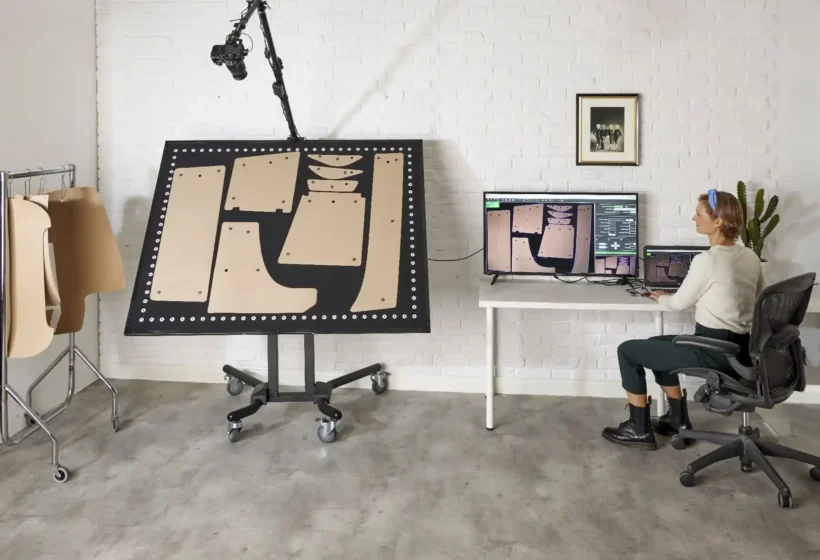
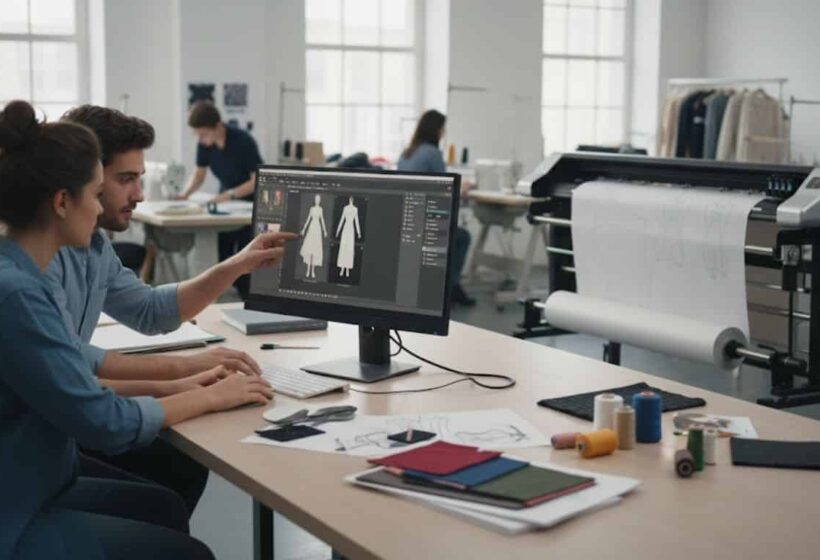
The V‑Shoot Camera Digitizing System converts physical garment patterns into editable digital files for CAD/CAM production. An operator places one or more patterns on the V‑Shoot board, secures them with magnetic buttons, captures an image, and allows the software to identify and vectorize the pattern geometry. The finished patterns can be exported in formats such as DXF, AAMA DXF, and PLT for use with compatible apparel CAD, plotting, and cutting workflows.

For apparel manufacturers, fashion designers, pattern makers, sample rooms, technical-design departments, uniform producers, and contract sewing facilities, V‑Shoot provides a practical way to preserve legacy paper patterns, accelerate pattern input, reduce manual point-by-point digitizing, and connect physical pattern libraries with modern digital production.

Proceso de creación y digitalización de patrones digitales con Velocity V-Shoot

Camera Digitizing System for Apparel and Garment Manufacturing: How V‑Shoot Converts Physical Patterns Into CAD Files

The V‑Shoot Camera Digitizing System converts physical garment patterns into editable digital files for CAD/CAM production. An operator places one or more patterns on the V‑Shoot board, secures them with magnetic buttons, captures an image, and allows the software to identify and vectorize the pattern geometry. The finished patterns can be exported in formats such as DXF, AAMA DXF, and PLT for use with compatible apparel CAD, plotting, and cutting workflows.

For apparel manufacturers, fashion designers, pattern makers, sample rooms, technical-design departments, uniform producers, and contract sewing facilities, V‑Shoot provides a practical way to preserve legacy paper patterns, accelerate pattern input, reduce manual point-by-point digitizing, and connect physical pattern libraries with modern digital production.

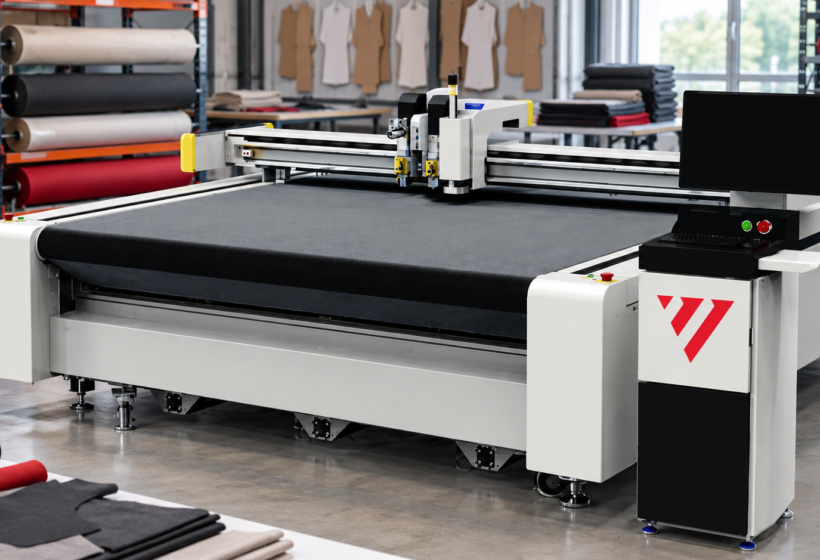
Automatic fabric cutting machine for apparel, furniture, automotive, marine, and technical textiles

Automatic Fabric Cutting Machine: 2026 Buyer’s Guide

Choosing the right plotter for apparel manufacturing can have a significant impact on pattern-room efficiency, marker production, accuracy, workflow, and operating costs.

Whether you operate a fashion design studio, sample room, cut-and-sew facility, uniform manufacturer, contract sewing operation, or large apparel production facility, the right plotting system should match your marker width, production volume, CAD workflow, paper requirements, and future growth.

For 2026, apparel manufacturers should also consider factors beyond printing speed. CAD compatibility, network connectivity, parts availability, technical support, software requirements, warranty coverage, and long-term service costs can all affect the true cost of owning an industrial plotter.

This buyer’s guide explains what to look for when choosing an apparel plotter and how different plotting solutions from Velocity Plotters & Cutters can fit different production environments.

66-inch vs. 72-inch marker plotter for furniture manufacturing

66-Inch vs. 72-Inch Marker Plotter: Which Do You Need?

Choose a 66-inch marker plotter when your widest marker files are 66 inches or less and your operation mainly uses 60-, 63-, or 66-inch paper. Choose a 72-inch marker plotter when your marker files exceed 66 inches, you use 70- or 72-inch paper, or you want additional capacity for wider materials and future contracts.

For most buyers, the deciding measurement is the maximum printable width of the marker file, not simply the advertised width of the fabric or paper roll.

Choosing between a 66-inch and a 72-inch marker plotter is not simply a matter of buying the largest machine available. The right choice depends on marker width, paper size, production volume, available space, CAD workflow, and plans for future growth.

Digitize Physical Patterns

Cómo digitalizar patrones físicos para integrarlos a software CAD

Digitalizar patrones físicos permite conservar plantillas, reducir errores y conectar el desarrollo de producto con software CAD, plotters y cortadoras digitales. Conoce el proceso y las soluciones de Velocity Plotters & Cutters para transformar patrones de papel, cartón o textiles en archivos listos para producción.

Pattern Plotter vs Marker Plotter

Plotter de Patrones vs Plotter de Marcada: Diferencias Clave Entre Ambos

Elegir entre un plotter de patrones y un plotter de marcada puede marcar una gran diferencia en la eficiencia de una empresa de confección. En este artículo te explicamos sus diferencias, usos y qué soluciones de Velocity Plotters & Cutters se adaptan mejor a cada etapa del proceso productivo.

Modern textile workshop

Cómo los Aranceles están Transformando la Moda y por qué la Fabricación Local y Personalizada es el Futuro

En 2025, la industria de la moda y el textil se enfrenta a un cambio radical. Con el aumento de los aranceles de importación, la inestabilidad de la cadena de suministro global y la creciente demanda de productos personalizados y de fabricación local, las marcas que antes dependían de la producción en el extranjero se ven obligadas a replantearse sus estrategias. Sin embargo, para aquellas que adoptan la automatización, el diseño digital de patrones y las técnicas avanzadas de corte e impresión […]

Preguntas frecuentes sobre los plotters Velocity

Optimización de los Flujos de Trabajo de Corte y Trazado: Preguntas frecuentes sobre los Plotters Velocity

Por qué un UPS es esencial para la fiabilidad de su plotter Un UPS (Sistema de Alimentación Ininterrumpida) es más que un simple sistema de alimentación de respaldo: es una protección para su Velocity Plotter: Protege los componentes electrónicos sensibles de los picos de tensión Evita la pérdida de datos o la interrupción del funcionamiento durante los cortes de energía Ayuda a prolongar la vida útil del plotter y garantiza un flujo de trabajo ininterrumpido Plotter de marcadores vs. Plotter de patrones: Cómo elegir el adecuado […]

es_ESES